

Disability support built from lived experience.
Stable, long-hour NDIS care led by a parent who truly understands - designed for families who need consistency, trust, and a secure future.
✔ Self-managed & plan-managed participants
✔ Long-hour support (30–40 hrs/week)
✔ Greater Sydney
✔ Self-managed & plan-managed participants
✔ Long-hour support (30–40 hrs/week)
✔ Greater Sydney
We work best with participants seeking long-hour, consistent support

Tired of Starting Over
With New Support Workers?
If you’re here, chances are you’ve already tried
other providers and been let down.
If you’re here, chances are you’ve already tried other providers and been let down.
You may be dealing with:
Constantly changing support workers
Poor communication and follow-through
Staff who don’t truly understand real-life disability care
Short-term fixes instead of long-term stability
When support keeps changing, routines break
down and families carry the stress. You shouldn’t have
to keep rebuilding trust.
When support keeps changing, routines break down and families carry the stress. You shouldn’t have to keep rebuilding trust.
Care Built From Real Life
- Not Theory.
Esthera isn’t run by people guessing what good care looks like.
It’s led by a parent of two children with disabilities… someone who has lived the system, understands what works, and knows what fails families.
That Experience Shapes Everything We Do:
How we train support workers
How we structure long-hour placements
How we prioritise consistency and communication
How we plan for both care today and security tomorrow
We don’t just provide hours.
We build stability.
We don’t just provide hours.
We build stability.
What We Support You With:

Long-Hour Disability Support (30–40 hrs/week)
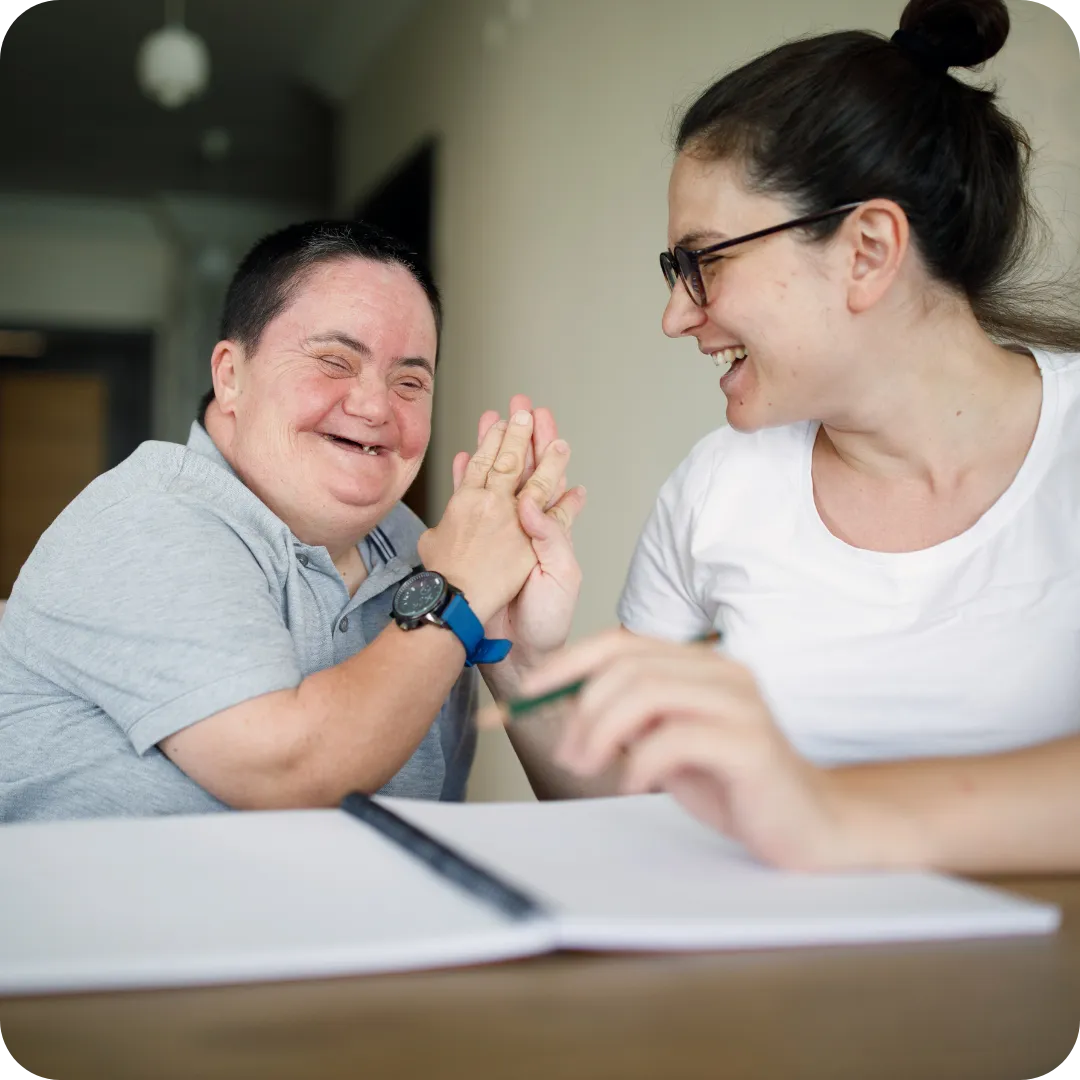
Structured, reliable support designed to create routine, reduce staff turnover, and build trust.
Trained Support Workers
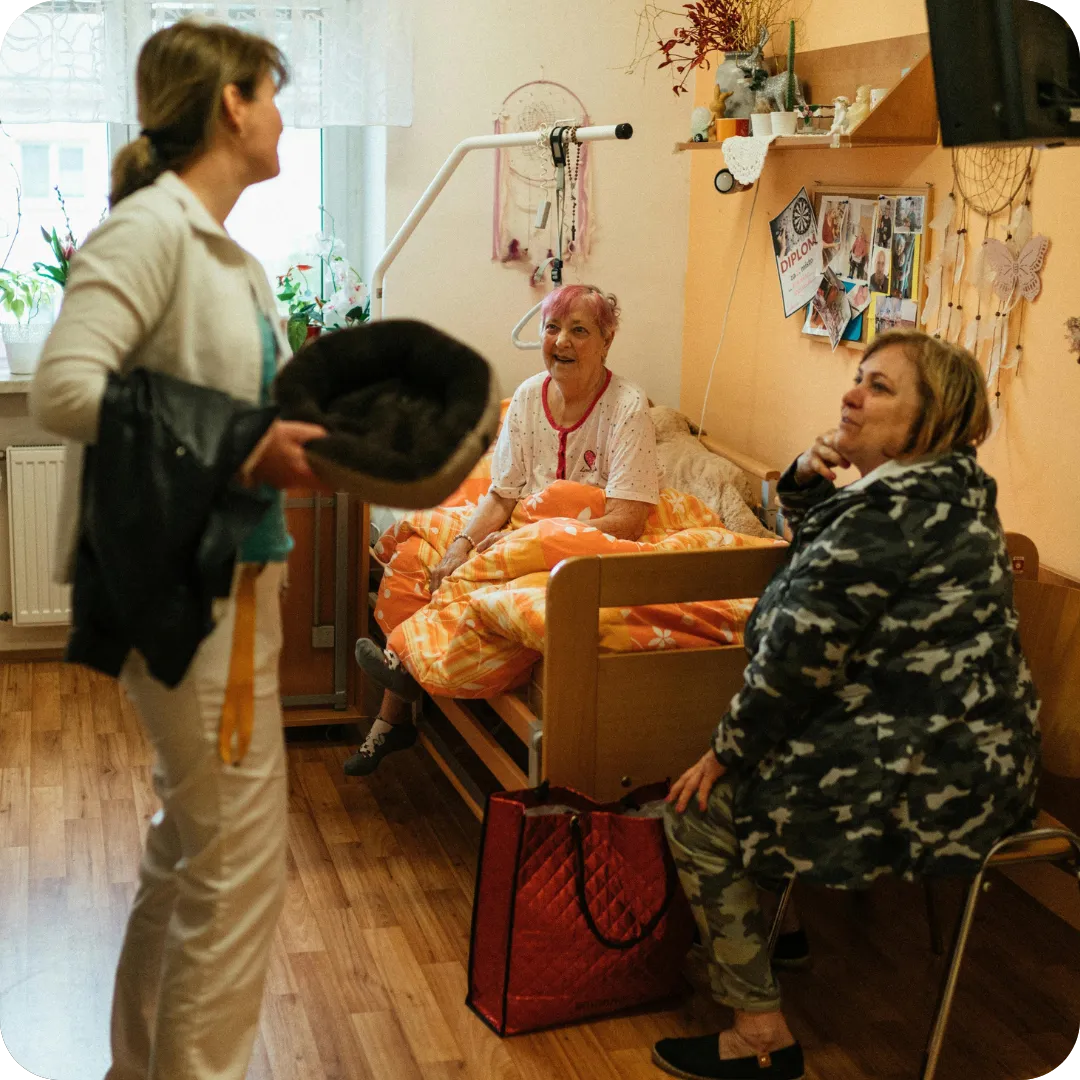
Carefully trained staff who understand complex needs, not rushed hires or rotating carers.

Independence & Community Participation
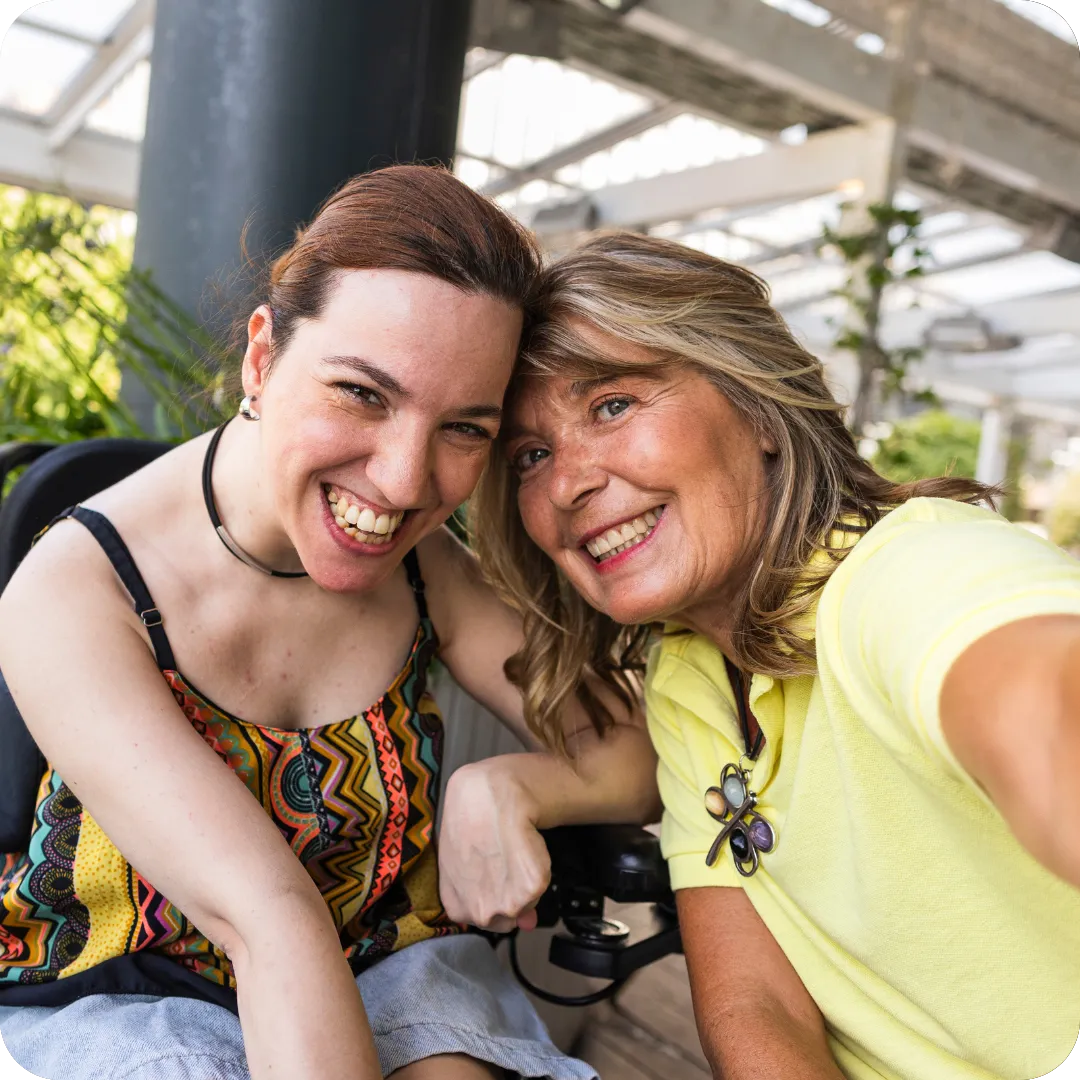
Support that helps participants build confidence, skills, and meaningful community involvement.
Future-Focused Care & Housing Pathways
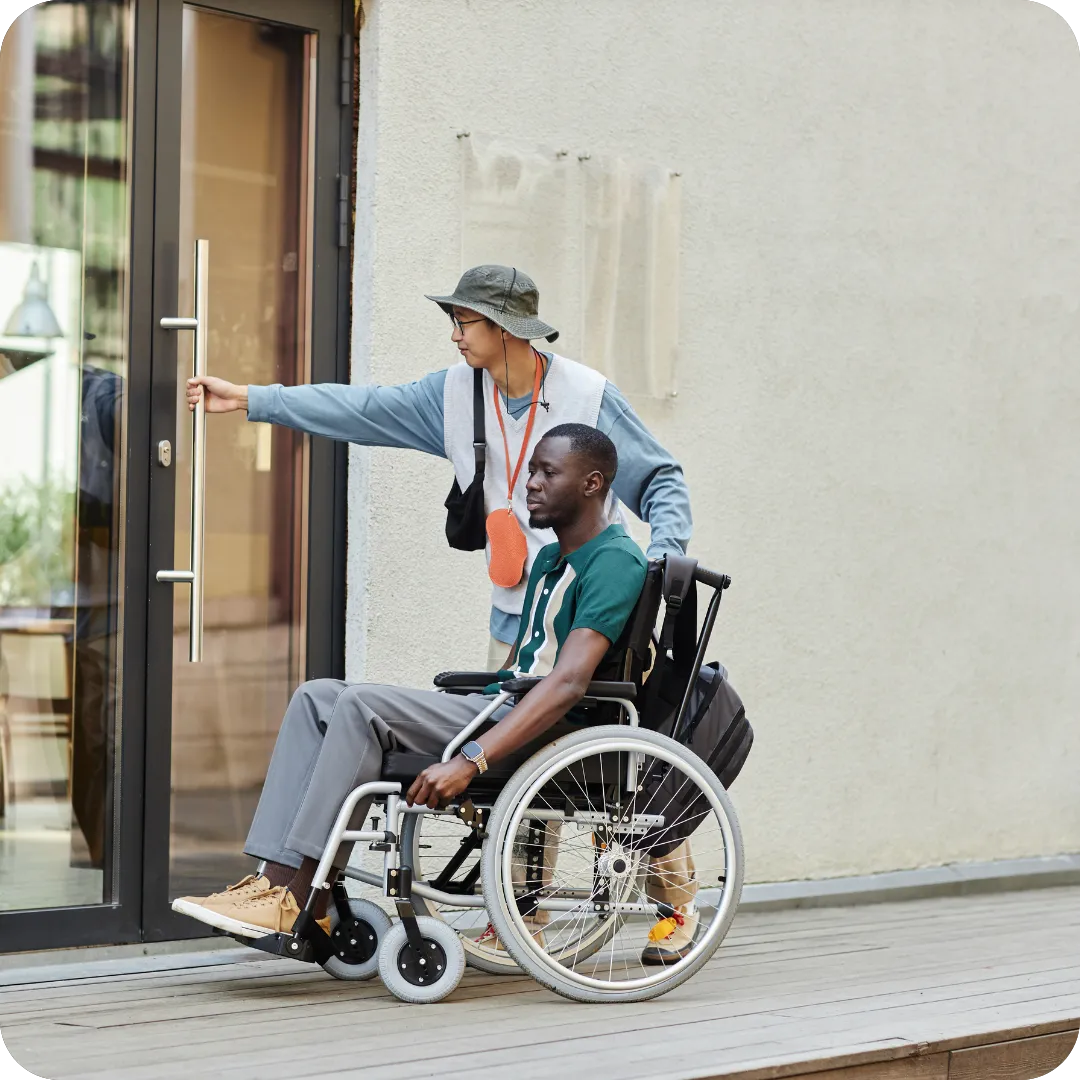
Backed by 6+ years of SDA experience and 65 homes built - helping families think beyond short-term care.
Designed for families who value consistency, trust and long-term support.
What Happens Next?
No pressure. No obligation. Just clarity.
No pressure. No obligation. Just clarity.

Book a Free Discovery Call
A relaxed conversation to understand your needs.

Confirm Fit & Support Requirements
We’ll discuss hours, goals, and whether we’re the right provider for you.

Build Stable, Long-Term Support
If aligned, we create a support structure designed for consistency and growth.
We don’t just provide hours. We build stability.
Take the First Step Toward
Consistent Support
Take the First Step Toward Consistent Support
Frequently Asked Questions
Who does Esthera support?
We support NDIS participants and families who are self-managed or plan-managed and are looking for consistent, long-hour disability support. Our services are best suited to participants who value stability, routine, and long-term care.
Do you work with self-managed and plan-managed NDIS participants?
Yes. Esthera works with both self-managed and plan-managed participants. During your discovery call, we’ll confirm your plan type and ensure our support model is the right fit.
Do you offer long-hour support (30–40 hours per week)?
Yes. Long-hour support is a core part of how we deliver stable, consistent care. Providing 30–40 hours per week allows us to reduce staff turnover, build strong relationships, and create meaningful routine for participants.
Why do you focus on long-hour support?
Short, fragmented shifts often lead to constant staff changes and disrupted routines. Long-hour placements help create continuity, trust, and better outcomes for participants and families.
Start With A Conversation. Build A Future With Confidence.
Start With A Conversation. Build A Future With Confidence.
If you’re ready to stop worrying and start trusting your support, we’re here to have an honest conversation about what comes next.